Buying or selling a condo in West Palm Beach and hearing about “40-year recertification”? You are not alone. After the 2021 Surfside tragedy, building oversight tightened across Florida, and milestone inspections moved to the forefront for many associations. In this guide, you will learn what the 40-year process typically involves, how it can influence your timeline and costs, and the key documents to review before you sign. Let’s dive in.
40-year recertification basics in West Palm Beach
The goal of a 40-year milestone or recertification inspection is to confirm the structural and life-safety integrity of older multi-story buildings and to require repairs when needed. Florida sets licensing and code standards, while specific triggers and procedures are defined by state statute and local ordinances.
In many Florida jurisdictions, the first milestone inspection occurs around 40 years after a building’s initial occupancy or substantial completion, with follow-ups often every 10 years. Because exact rules vary by municipality and county, you should verify the current requirements with the City of West Palm Beach Building Department and Palm Beach County before relying on a general rule.
Who performs it and who enforces it
A licensed structural engineer or a licensed architect typically conducts the inspection and submits a written report to the local building department. If deficiencies are found, authorities issue required repair timelines. In severe cases, cities can restrict access until hazards are addressed. Noncompliance can lead to fines or other enforcement actions.
What the milestone inspection covers
A milestone inspection is primarily a visual, noninvasive assessment of major building systems. Typical scope items include:
- Structural systems such as foundations, columns, beams, slabs, and load-bearing walls
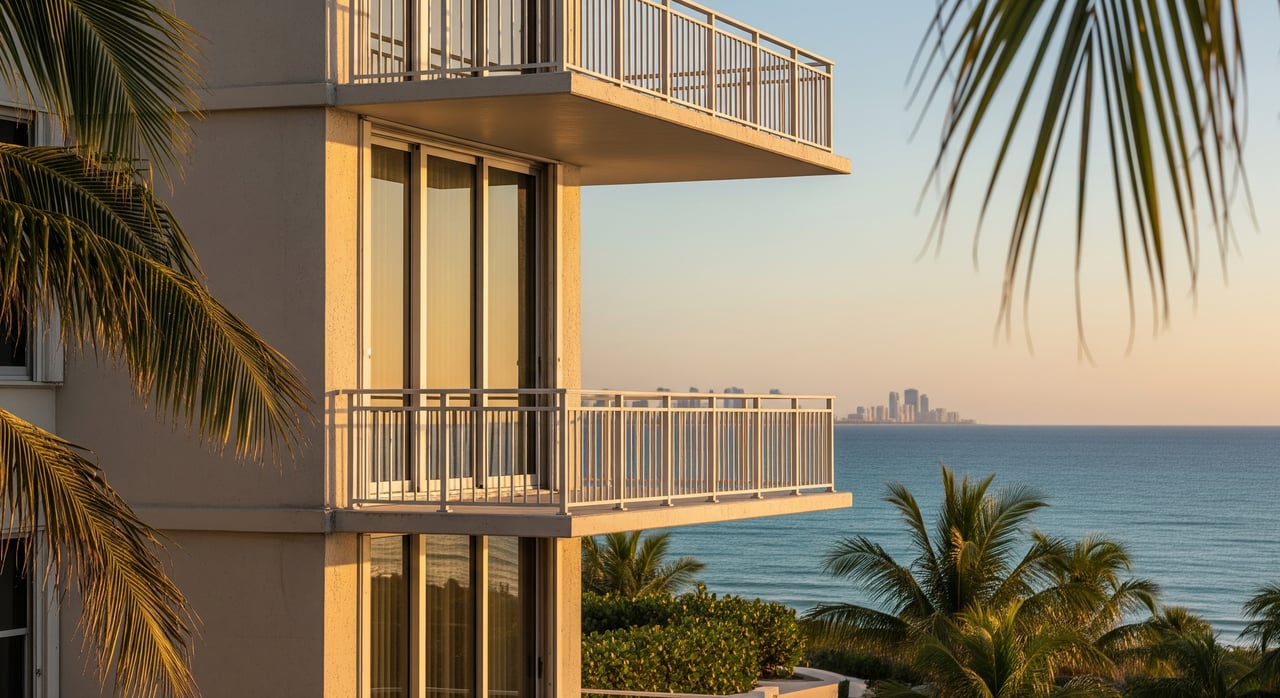
- Exterior envelope elements including balconies, terraces, façade components, and waterproofing
- Parking structures and below-grade areas, with attention to concrete distress and joint systems
- Roof systems, including decking, drains, and flashing
- Signs of corrosion or concrete distress such as spalling, delamination, or exposed reinforcement
- Limited life-safety review such as means of egress and required separations
- Evidence of water intrusion like staining or efflorescence that suggests structural or envelope issues
Deliverables usually include a written report with photos, repair recommendations categorized by priority, and in some cases a high-level opinion of cost. If visible conditions suggest deeper problems, the engineer may recommend intrusive testing as a separate scope.
Why buyers should care
If a building is approaching or has passed its 40-year milestone, the association could be scheduling inspections, planning repairs, or already under corrective orders. That can affect your closing timeline, the HOA’s finances, insurance availability, and even access to certain areas during repairs. Your lender may also require proof of compliance to approve financing.
Buyer due diligence checklist
Ask for these items early in your review:
- The most recent milestone or recertification inspection report and any follow-up reports
- Proof of filing with the city or county and any official compliance letters
- Permit history for structural repairs and related projects
- Current reserve study and reserve fund balance
- Current HOA budget and recent financial statements
- Recent board meeting minutes that discuss inspection results, repair plans, or assessments
- Any disclosures about planned or approved special assessments
- Association insurance statements, noting any lapses or coverage changes
Buyer red flags
- A recent report noting “major structural deficiencies” or “unsafe” conditions
- Board minutes showing large repair needs with no clear funding plan
- Low reserves or a pattern of deferred maintenance
- Pending special assessments that appear substantial
- Notices of noncompliance, stop-work orders, or evacuation directives
Smart buyer protections
- Make receipt and review of recertification documents a contract contingency
- Confirm with your lender whether financing is allowed if the building has open recertification issues
- Request recent board minutes that address scope, schedule, and funding
- Order a unit-level inspection focused on your space and adjacent structural elements, while recognizing it is not a building-wide recertification
What sellers and associations should prepare
Sellers should understand and disclose the building’s inspection status, planned repairs, and any anticipated assessments. Boards are responsible for commissioning inspections, filing reports, communicating with owners, budgeting for repairs, securing permits, and overseeing construction.
Typical process timeline
- Milestone trigger occurs based on the building’s age
- Association hires a licensed engineer or architect
- Report is filed with the local building department
- If deficiencies exist, a remediation plan and schedule are required
- Association obtains permits, hires qualified contractors, and completes repairs
- Final sign-off occurs after inspections validate the work
Budgeting, reserves, and assessments
Associations generally use reserves for repairs. When projects exceed available funds, they may seek association loans or special assessments per the governing documents. Review bylaws for voting thresholds and notice requirements.
Contractors and permits
Major structural or envelope repairs require licensed contractors, permits, and inspections. Associations should follow procurement procedures in their governing documents and adhere to state contracting rules.
Timing and costs: what to expect
Repair duration depends on the severity of issues, permitting, contractor availability, and financing. Timelines may range from months to years when conditions are not immediately hazardous. Costs vary widely by building size and scope. Rather than rely on generic figures, ask for engineering opinions and updated reserve studies for a realistic view of funding needs.
Insurance and financing impacts
Buildings with significant deficiencies or active noncompliance can face higher association property insurance costs or coverage changes. Lenders sometimes limit or condition financing for units in buildings with unresolved recertification issues. Buyers and sellers should gather documentation early to avoid surprises during underwriting.
Real-world scenarios to expect
- Localized repairs: An inspection identifies balcony waterproofing failure and isolated concrete spalls. The board permits patch repairs and a waterproofing project, funded by reserves and a small assessment. Unit access is coordinated floor by floor, with limited disruption.
- Major remediation: Findings reveal widespread corrosion in garage slabs and columns, requiring phased structural restoration. The board secures a loan and approves a multi-year plan, with access restrictions to parking during construction. Lenders request periodic proof of progress and compliance.
Quick due diligence recap
- Ask for inspection reports, filings, permits, budgets, financials, reserve studies, insurance, and recent minutes
- Look for clear remediation plans and funding strategies
- Confirm loan and insurance implications early
- Build contingency time into your contract if repairs are ongoing
Next steps and local verification
Because rules can vary, confirm the current requirements with the City of West Palm Beach Building Department and Palm Beach County. You can also check state resources such as the Florida Building Commission for building standards and the Florida Department of Business and Professional Regulation for licensing of engineers and architects. Speak with your lender and your own inspector early in the process to keep your transaction on track.
If you want a clear plan for your purchase or sale, along with guidance on documents and timelines, reach out to Amie Balchunas for a personalized consultation.
FAQs
Which West Palm Beach buildings are subject to 40-year recertification?
- Many jurisdictions apply milestone inspections to multi-story buildings around 40 years after initial occupancy, but you should confirm exact coverage and age triggers with the City of West Palm Beach and Palm Beach County.
Who pays for the inspection and required repairs in a condo building?
- The association commissions and pays for the building-level inspection, and repairs are typically funded through reserves, loans, or special assessments per the governing documents.
Is the milestone inspection invasive or just visual?
- It starts as a visual assessment; if conditions suggest deeper issues, engineers may recommend intrusive testing like cores or load tests as a separate scope and cost.
Can a recertification issue block a sale or mortgage approval?
- It can complicate financing, as some lenders limit loans for units in buildings with unresolved structural deficiencies or active noncompliance, so check with your lender early.
What should buyers ask during a condo association interview?
- Request the latest milestone report, filings with the city or county, reserve balance and study, minutes on repairs, and details on any planned or approved special assessments.
How long do associations have to complete repairs after inspection?
- Timelines depend on local ordinance requirements and severity; immediate hazards must be addressed quickly, while other repairs may take months to years with permitting and scheduling.