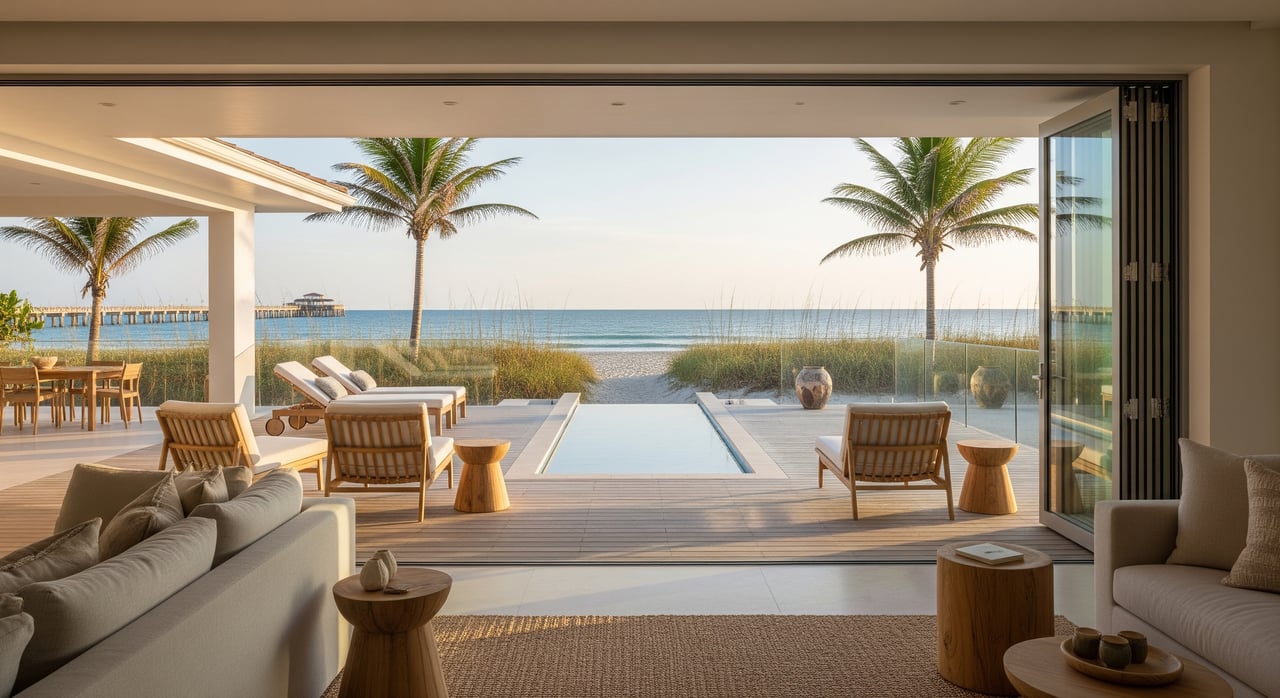
Love the idea of starting your day with ocean air, a sunrise walk, and coffee steps from the sand? If you’re exploring a move to Lauderdale-by-the-Sea, you want a real picture of what daily life feels like in this small, walkable beach town. In this guide, you’ll see how locals spend their days, the types of homes you’ll find, what costs to plan for, and the practical details that matter on a barrier island. Let’s dive in.
Why Lauderdale-by-the-Sea feels different
Lauderdale-by-the-Sea sits on Broward County’s barrier island between Fort Lauderdale and Pompano Beach. It delivers a quieter, small-town vibe with low- to mid-rise buildings and short blocks that encourage walking. You’re close to big-city amenities, yet daily life revolves around the sand, sea, and neighborhood storefronts. That balance is why many residents choose it as a full-time address or a relaxed second home.
A day in the life
You can set an easy rhythm here. Many residents start with a sunrise beach walk, a quick swim, or paddle before work. Midday often means errands, a light lunch, and a short break by the water. Afternoons bring work-from-home hours or a quick drive to Fort Lauderdale for office or hospitality shifts. Evenings stay casual with beachside dining, a sunset stroll, and occasional live music or community events.
Everyday amenities and social life
You’ll find cafés, casual seafood spots, boutique shops, and basic services close to the beach. It’s a friendly, laid-back scene that feels approachable rather than high-energy. For a bigger night out, major dining and entertainment options in Fort Lauderdale are a short drive away. Weekends bring community-centric activities like seasonal markets, beach cleanups, and holiday events.
Beach and marine lifestyle
The shoreline is the town’s anchor. Walks, swims, and sun time are part of daily routines for many locals. You’ll also see snorkeling and diving near nearshore reef features, along with paddleboarding, kayaking, fishing, and small-boat outings. Keep an eye on seasonal lifeguard schedules, beach renourishment updates, and sea turtle nesting season guidelines so you know what areas are open and how to do your part.
Getting around and commuting
A1A is the main artery, connecting you north and south along the coast. Most essentials are within a short drive or easy walk, though parking near the beach can be tight in peak season. Regional travel is straightforward with quick access to Fort Lauderdale’s airport and rail options in the greater metro. Many residents rely on a car for commuting, while using local buses for short trips.
What kinds of homes you’ll find
Condos for low-maintenance living
Condos are the most common choice if you want an easy, lock-and-leave lifestyle by the beach. Buildings range from compact studios to multi-bedroom residences and often include amenities managed by an HOA. This format typically offers the most affordable entry to the coast compared with single-family options. If you want simple ownership and shared building care, condos fit the bill.
Single-family homes and duplexes
Detached homes and duplexes are less common but offer more privacy and room to personalize. Many properties date from the mid-20th century and show a mix of original character and modern renovations. Oceanfront or near-ocean locations command a premium, and lots are often smaller than inland suburbs. If you love outdoor space and individuality, this category is worth exploring.
Investors and seasonal rentals
Short-term and seasonal rentals are part of the local fabric and can influence parking, neighborhood rhythm, and income potential. If you’re evaluating a property for rental use, check current municipal rules, registration requirements, and county-level taxes. Rental viability is also seasonal, so factor peak and off-peak demand into your projections. Solid due diligence upfront helps you make clear, compliant decisions.
Costs to plan for on the coast
HOA fees and insurance
Waterfront buildings often carry higher HOA fees because they include exterior maintenance, reserves, and insurance for coastal structures. You should also plan for wind or hurricane coverage and, depending on your flood zone, separate flood insurance. Deductibles and carrier availability can affect your options and budget. Review building financials and coverage details before you write an offer.
Coastal maintenance realities
Salt air and storms shape maintenance plans. Common upgrades include impact-rated windows and doors, hurricane shutters, roof straps, and elevated mechanicals. Regular exterior care helps prevent corrosion and prolongs the life of finishes and systems. Smart protection can lower risk and sometimes reduce insurance costs.
Climate, storms, and preparedness
South Florida has hot, humid summers and mild winters, plus a defined hurricane season from June through November. Locals keep basic supplies on hand and follow county guidance for storm preparedness and evacuation routes. Expect occasional beach renourishment and seasonal beach rules as part of responsible coastal living. A thoughtful plan helps you enjoy the benefits of the shore with more confidence.
Schools, healthcare, and services
Broward County Public Schools serve the area, with additional private and specialty options nearby. For healthcare, you’ll find local clinics and urgent care in and around town, and larger medical centers in Fort Lauderdale. Everyday essentials are close to home, while big-box shopping and specialty services are a short drive away. This mix supports both full-time living and extended stays.
Buying smart in Lauderdale-by-the-Sea
Use a clear, step-by-step plan to keep your search efficient and stress-free:
- Define your lifestyle priorities: walkability, view, privacy, and amenities.
- Choose a property type: low-maintenance condo or more private single-family home.
- Review HOA documents and building health: reserves, maintenance plans, and rules.
- Model your monthly costs: HOA, insurance, flood policy, property taxes, utilities.
- Evaluate storm resiliency: impact glass, roof condition, elevation, drainage.
- Map your routine: commute routes, airport access, and parking considerations.
- If renting: verify current short-term rules, licensing, and taxes before you buy.
- Plan for seasonality: competition can rise in winter and early spring.
Is Lauderdale-by-the-Sea right for you?
If you crave a relaxed, pedestrian-friendly beach town with quick access to big-city amenities, Lauderdale-by-the-Sea delivers. You get a coastal lifestyle anchored by the ocean, plus a home base that works for both full-time living and seasonal stays. With the right property and a smart plan for insurance, maintenance, and HOA considerations, you can enjoy everyday beachfront living with fewer surprises. When you want expert guidance, white-glove service, and design-savvy advice on presentation and value, schedule a free consultation with Amie Balchunas.
FAQs
Is Lauderdale-by-the-Sea walkable for daily errands?
- Yes. The compact town center and short blocks near the beach support easy walking for cafés, casual dining, shops, and essentials.
What types of homes are most common in Lauderdale-by-the-Sea?
- Condominiums are most common, with a smaller number of single-family homes and duplexes across the town.
Do I need flood insurance for a home in Lauderdale-by-the-Sea?
- If the property is in a FEMA flood zone, lenders typically require flood insurance. Coastal homes also commonly carry separate wind or hurricane coverage.
How practical is commuting from Lauderdale-by-the-Sea to Fort Lauderdale or the airport?
- Very practical. A1A connects you to nearby hubs, and the broader metro offers regional rail and airport access, though traffic varies by season.
Can I use a Lauderdale-by-the-Sea property as a short-term rental?
- Possibly. Check current town licensing and county tax rules, along with building or HOA restrictions, before assuming rental income.
What coastal maintenance should I expect for a condo or house?
- Plan for salt-air wear, routine exterior care, and storm-readiness features like impact glass or shutters, plus regular system checks to prevent corrosion.