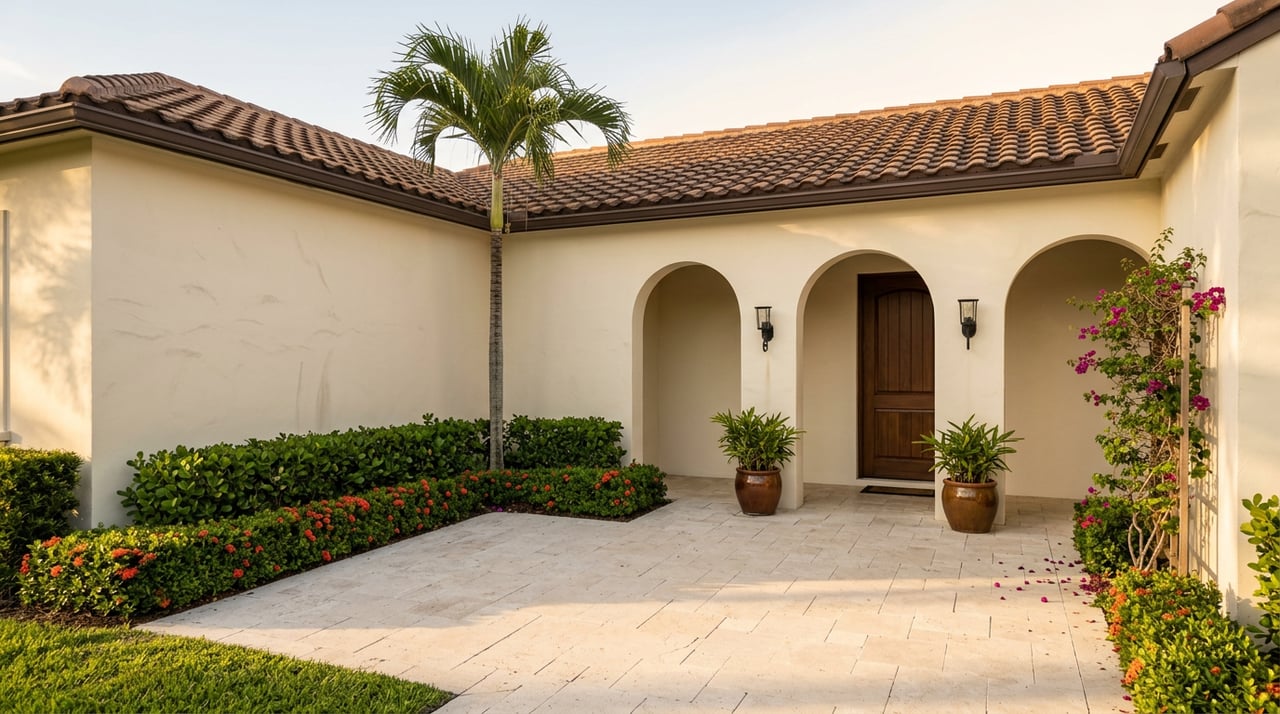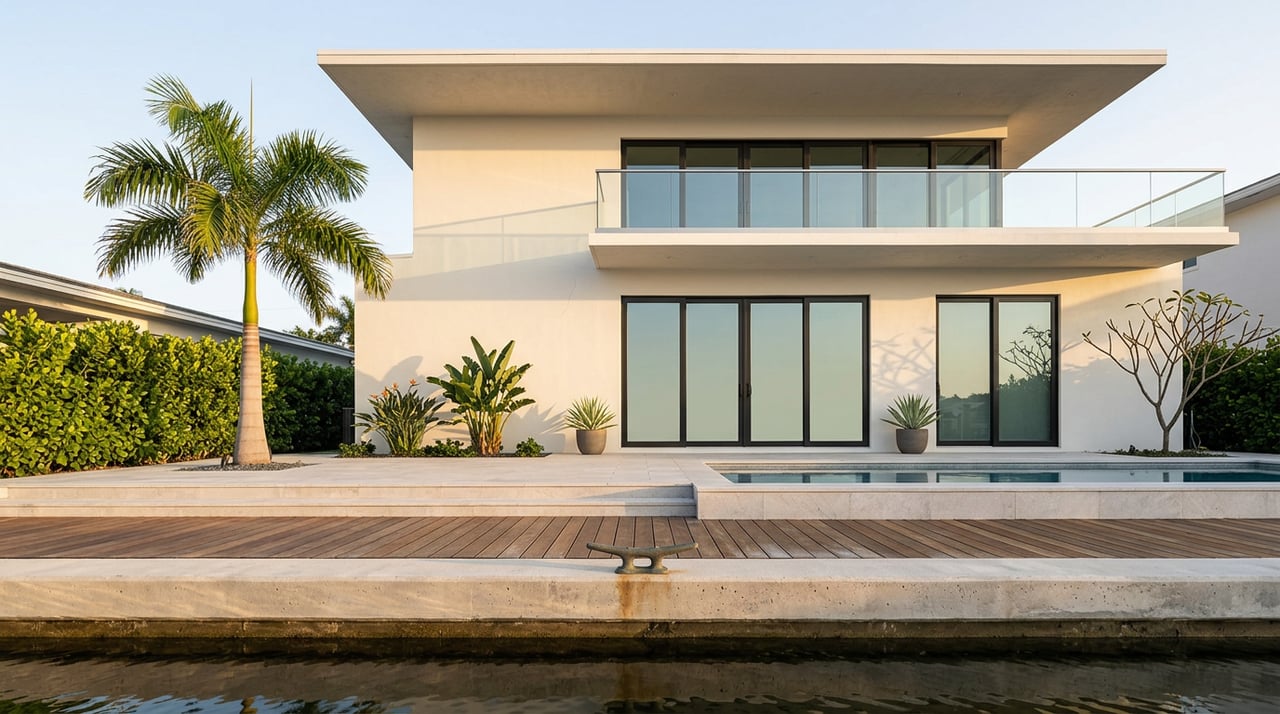
Trying to decide between a condo and a townhome in West Palm Beach? You are not alone, and the answer is not as simple as choosing the layout you like best. In this market, the bigger difference often comes down to how the property is legally structured, how maintenance works, and what that means for your monthly costs, financing, and future resale. If you want to buy with fewer surprises, this guide will help you compare the two clearly. Let’s dive in.
Why the legal setup matters
In West Palm Beach, “condo” and “townhome” often describe two different ownership systems, not just two different looks. Under Florida law, a condominium is generally a Chapter 718 form of ownership where you own your unit plus an undivided share of the common elements. A townhome in an HOA community is usually part of a Chapter 720 structure, where you own a separately conveyable parcel and belong to a mandatory association.
That distinction matters because a home that looks like a townhome can still legally be a condominium. In other words, the exterior style does not tell you the full story. The recorded declaration is what tells you how the property is owned, maintained, and governed.
Condo vs. townhome at a glance
What a condo usually means
With a condo, you typically own the interior unit and share ownership of common elements with other owners. The association is the legal entity that manages the property. Florida condo law also places common-element maintenance on the association, and the association can access units when needed for maintenance or repair.
For many buyers, this setup can feel more hands-off. If you want more centralized maintenance and amenity management, a condo may align with your lifestyle. At the same time, it often comes with more association oversight and more project-level review during financing.
What a townhome usually means
With a townhome in an HOA community, you generally own a separately conveyable parcel under legal title. You are also part of a mandatory association, and that association can collect assessments and place liens when required under the governing structure. This setup often feels closer to traditional homeownership, but the community documents still carry a lot of weight.
Townhomes are often side-by-side homes with shared walls and separate exterior doors. That layout can feel more private than many condo buildings. Still, your actual freedom over exterior features, maintenance responsibilities, and visible changes depends on the HOA documents, not just the format of the home.
How maintenance really differs
Condo maintenance tends to be more centralized
In a condominium, the association is generally responsible for common elements. Depending on the declaration, some limited common elements may be assigned to you, but the association often handles a larger share of exterior and shared-property upkeep. That can simplify day-to-day ownership if you prefer less direct responsibility for certain maintenance issues.
The tradeoff is that you are relying more heavily on the association’s budget, reserves, and repair planning. If the property has deferred maintenance, insurance gaps, or major repair needs, those issues can affect your costs and your financing options.
Townhome maintenance can vary more
In an HOA townhome community, maintenance responsibilities are often more mixed. The association has authority over common areas and, in some communities, may also be responsible for items like the roof or structural components. Florida law also limits some HOA rules to items visible from the parcel frontage or nearby areas, which means the practical level of control can vary from one community to another.
This is why reading the governing documents matters so much. Two townhome communities in West Palm Beach can look similar online and still operate very differently once you review what the owner maintains versus what the association maintains.
Monthly costs are more than the mortgage
One of the biggest mistakes buyers make is comparing only the sales price. Whether you buy a condo or a townhome, your true monthly cost should include more than principal and interest. You also need to account for property taxes, insurance, possible flood insurance, maintenance, and association dues.
Condo and HOA dues are also usually paid separately from your mortgage servicer. That means your monthly budget needs to reflect the full housing picture from the start. In West Palm Beach, where weather and insurance planning matter, this step is especially important.
Insurance in West Palm Beach needs a closer look
Insurance deserves extra attention in this area. In condo settings, insurance coverage may be split between the association and the individual owner, and the association may not cover everything you need. You should confirm what the association policy covers and what you will need to insure on your own.
Flood planning also matters locally. The City of West Palm Beach notes that it maintains a CRS Class 5 rating, which provides a 25% National Flood Insurance Program premium discount for policies issued in the city. The city also offers address-based flood-zone mapping, and Palm Beach County provides flood-zone and evacuation tools to help you evaluate risk.
Standard homeowner’s insurance typically does not cover flood damage. If a property is in a flood-prone area, flood coverage should be part of your budget before you make an offer.
Financing can be easier or harder than it looks
Condo financing is often project-sensitive
When you finance a condo, the lender is often reviewing more than just you as a borrower. Condo project standards can address issues such as critical repairs, inadequate insurance, and significant litigation. Lenders may use condo project review systems to determine whether a project is eligible.
That means two properties that look nearly identical in West Palm Beach can perform very differently during underwriting. One condo community may move forward smoothly, while another may face delays or financing limits because of association health, insurance concerns, or deferred maintenance.
Townhomes can still require careful review
Townhomes may avoid some of the project-specific condo review issues depending on how they are legally structured, but they are not automatically simpler. You still need to understand the association, the assessments, and any repair or reserve concerns that could affect affordability and resale.
The key takeaway is simple: do not assume the visible style of the home tells you how the financing will work. Confirm the legal classification early so you know which questions to ask your lender and your real estate advisor.
Disclosures and document review matter
Condo buyers get a longer review window
Florida requires condo sellers to provide important association documents, including the declaration, articles, bylaws and rules, annual financial statement and budget, and certain structural and reserve-related records when applicable. After receiving the required condo documents, buyers can have a 15-day window to void the contract.
That review period is valuable. It gives you time to understand the financial condition of the association, recent repairs, reserve planning, and whether there are inspection-related concerns that could affect ownership costs.
HOA townhome disclosures work differently
For Chapter 720 HOA sales, the seller must provide a disclosure summary before contract. If that disclosure is not provided, the buyer may void the contract within 3 days after receiving it or before closing. That timeline is shorter and works differently than the condo process.
Because of that, it is smart to move quickly on document review when you are considering a townhome. You want clarity on fees, rules, maintenance responsibilities, and any recent or planned assessments as early as possible.
Resale value depends on more than the floor plan
Buyers often focus on space, privacy, and amenities when choosing between a condo and a townhome. Those factors matter, but resale can also be shaped by the health of the association and the legal structure of the property. Special assessments, insurance issues, critical repairs, and project eligibility can all influence how future buyers experience the property.
For condos in particular, project ineligibility can become a real factor if there are major repairs, insufficient insurance, or significant litigation. Those costs may be shared through special assessments. A well-run community with solid budgeting and maintenance planning can support a smoother resale path than a similar-looking property with unresolved issues.
Which option fits your lifestyle?
A condo may fit you if
- You want more centralized maintenance and amenity management
- You are comfortable with closer association oversight
- You like the idea of shared-property upkeep being handled at the association level
- You are prepared to review project health carefully during financing and due diligence
A townhome may fit you if
- You prefer a side-by-side home format with your own exterior entrance
- You want a layout that may feel more private than a typical condo building
- You like a more traditional ownership feel
- You understand that HOA rules and maintenance obligations still need close review
A smart West Palm Beach buying checklist
Before you choose between a condo and a townhome in West Palm Beach, make sure you:
- Confirm the legal classification of the property
- Check the flood zone using local mapping tools
- Estimate your insurance needs, including possible flood coverage
- Review the association budget and reserve information
- Ask about recent special assessments
- Ask whether there have been inspection-related repairs or major maintenance projects
- Understand which maintenance items belong to you and which belong to the association
A careful review up front can save you from expensive surprises later. It can also help you compare two properties more fairly, especially when they look similar but operate very differently on paper.
Buying in West Palm Beach should feel exciting, not confusing. When you understand the ownership structure, maintenance responsibilities, flood and insurance considerations, and financing differences, you can choose the property type that truly fits your goals and your comfort level.
If you want a clear, white-glove approach to comparing condos and townhomes in Palm Beach County, Amie Balchunas can help you evaluate the details, ask the right questions, and move forward with confidence.
FAQs
What is the main difference between a condo and a townhome in West Palm Beach?
- The biggest difference is often the legal ownership structure. A condo usually means you own a unit plus a share of the common elements, while a townhome in an HOA community usually means you own a separately conveyable parcel with mandatory association membership.
Can a property that looks like a townhome still be a condo in West Palm Beach?
- Yes. A townhome-style property can still be legally structured as a condominium, so you need to review the recorded declaration rather than rely on appearance alone.
Are condo fees and HOA fees included in my mortgage payment?
- Usually no. Condo dues and HOA dues are typically paid separately from your mortgage servicer, so you should budget for them as part of your full monthly housing cost.
Why does flood insurance matter when buying in West Palm Beach?
- Flood risk is an important local factor, and standard homeowner’s insurance typically does not cover flood damage. You should check the flood zone, review local mapping tools, and budget for flood coverage if needed.
Is condo financing harder than townhome financing in West Palm Beach?
- It can be. Condo financing is often project-sensitive because lenders may review the association’s repairs, insurance, and litigation status, while townhome financing depends on the property’s legal structure and community details.
What documents should I review before buying a condo or townhome in Florida?
- For a condo, review the declaration, bylaws, rules, budget, financial statements, and any applicable reserve or structural records. For an HOA townhome, review the disclosure summary and the community documents that explain fees, rules, and maintenance responsibilities.