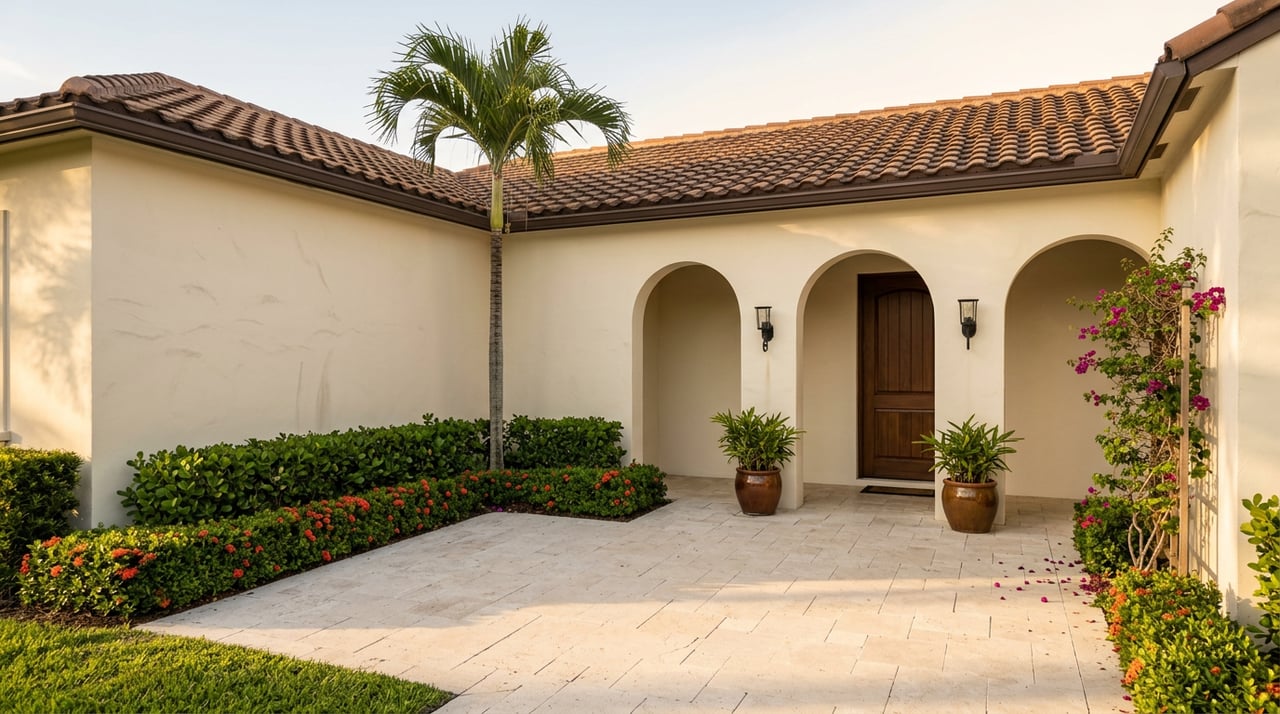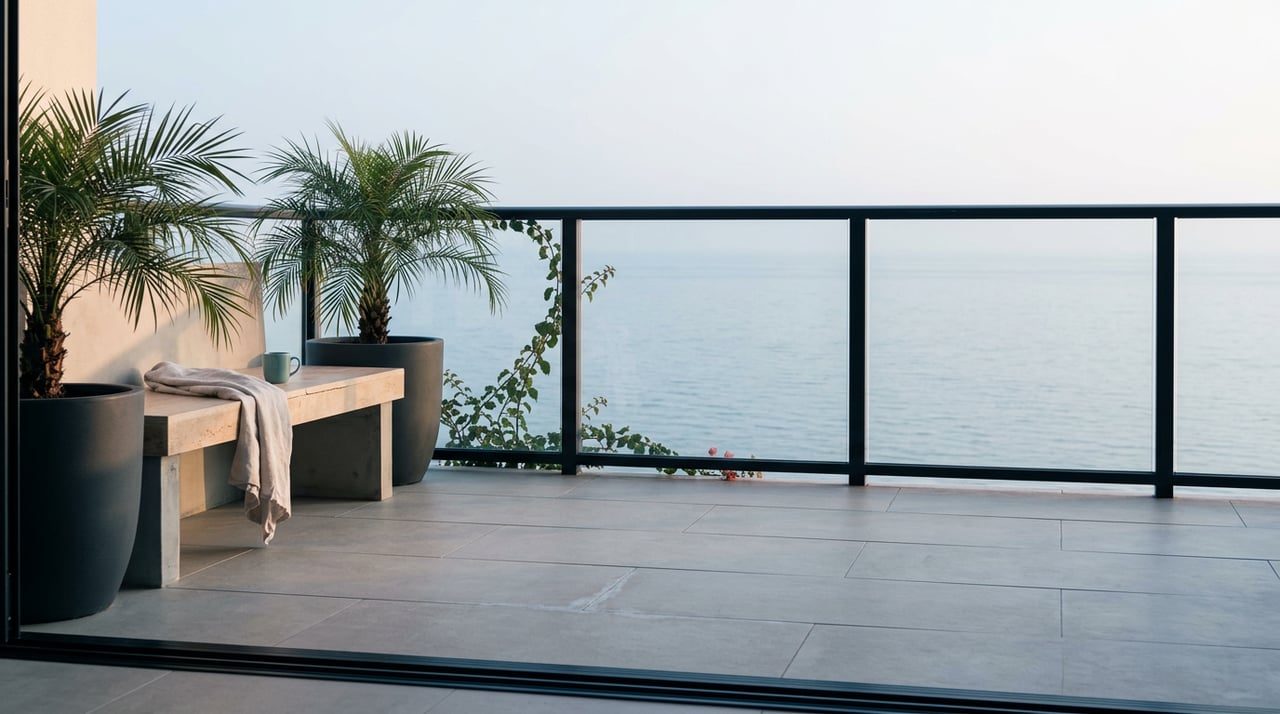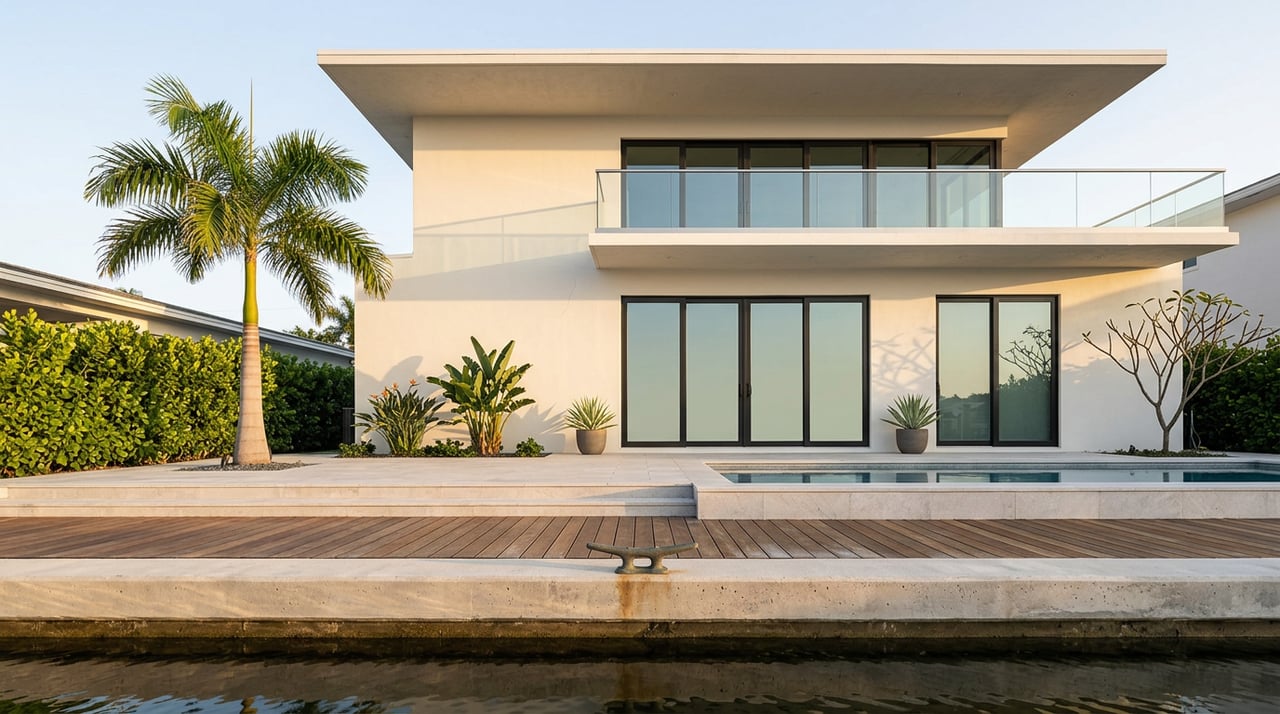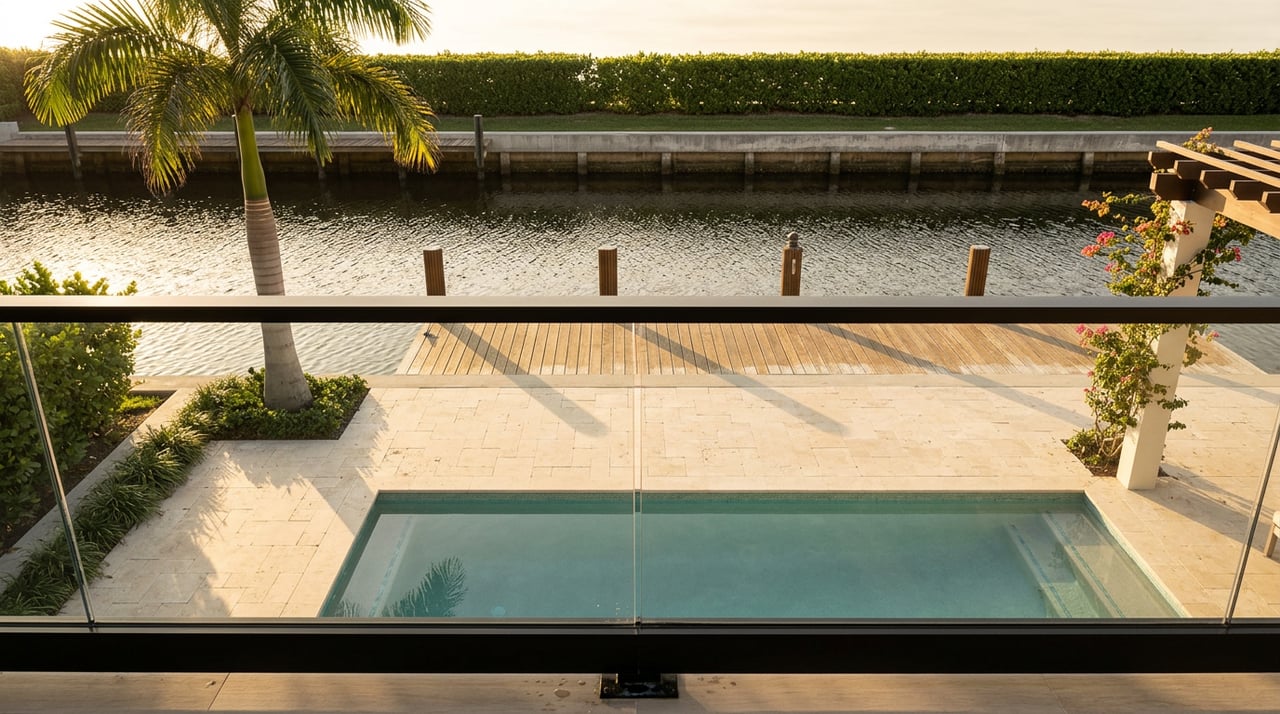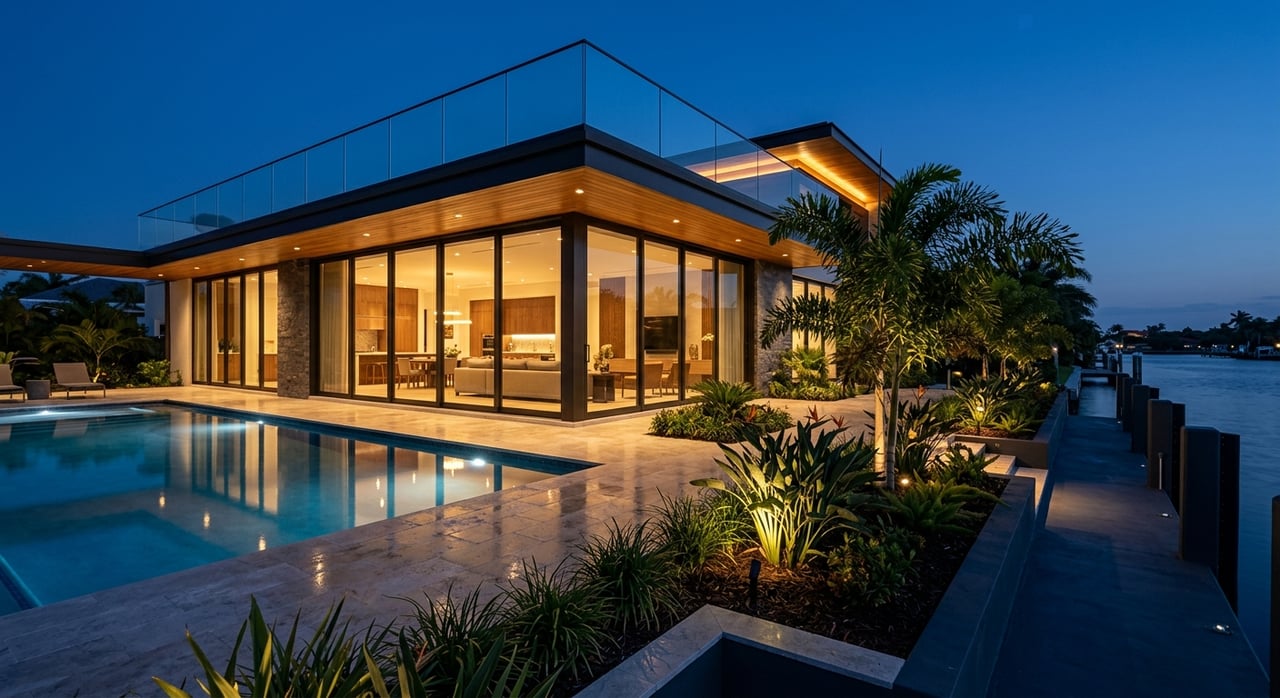
If you are selling a Fort Lauderdale waterfront home, you are not just listing bedrooms, baths, and square footage. You are marketing a lifestyle built around water, light, views, and the way buyers imagine living in the home. In a market where many shoppers begin online and some buyers may be out of state or overseas, your marketing strategy needs to do more than look good. It needs to answer questions, build trust, and create urgency from the first click. Let’s dive in.
Start With the Waterfront Story
Fort Lauderdale has a strong identity that helps shape buyer expectations. Greater Fort Lauderdale is known for its 24 miles of beaches and 300+ miles of inland waterways, and the city is often described as the Venice of America by local tourism and city sources. That means your home is often judged not only as a property, but as part of a larger waterfront lifestyle. Visit Lauderdale supports that water-driven positioning.
For sellers, this matters because the strongest marketing usually highlights the experience of the home. Dock access, canal frontage, water views, outdoor entertaining areas, and indoor-outdoor flow all deserve clear attention. Instead of treating the property like a standard listing, your marketing should help buyers picture how the home fits into the Fort Lauderdale waterfront lifestyle.
Price for the Market You Have
Luxury demand in Fort Lauderdale is real, but that does not mean every waterfront property sells instantly. According to MIAMI Realtors' luxury market data, Fort Lauderdale is Broward County’s largest million-dollar market, and the city plays a major role in the area’s luxury activity.
At the same time, sellers need pricing discipline. Broward County’s single-family market averaged 52 days to contract in Q1 2025, and premium areas may take longer. In ZIP code 33316, local market metrics and MIAMI Realtors reporting showed a $2.5 million median sale price, a $4.08 million average sale price, and 86 days to contract.
That is why strong waterfront marketing starts with realistic pricing, not just beautiful visuals. The goal is to attract qualified buyers quickly, not test the market for too long and lose momentum.
Prepare the Home Before It Goes Live
Pre-listing preparation can have a major impact on how buyers respond to a waterfront home. In the 2025 NAR Profile of Home Staging, 83% of buyers’ agents said staging made it easier for buyers to visualize the property as a future home. Another 17% said staging increased offers by 1% to 5% compared with similar unstaged homes.
For Fort Lauderdale waterfront sellers, that is especially important because so much of the first impression happens online. A design-led approach can help your listing stand out in photos, video, and virtual tours, while also making the home feel polished and move-in ready.
Focus on Key Rooms First
Not every room carries the same weight in marketing. NAR found that the most important spaces to stage were:
- Living room: 37%
- Primary bedroom: 34%
- Kitchen: 23%
That gives sellers a practical roadmap. If you want the best return on your prep efforts, start with the spaces buyers notice first in listing photos and showings.
Use a Smart Staging Budget
You do not always need a massive staging spend to improve presentation. NAR reported a median cost of $1,500 for professional staging services and $500 for homes staged by the seller’s agent. The same survey found that design quality was the top factor sellers’ agents used when selecting a staging company.
For a waterfront home, thoughtful edits often matter more than overdecorating. Clean sightlines, lighter furnishings, well-scaled pieces, and a layout that draws attention to the view can all help your property photograph better and feel more elevated.
Build a Visual-First Listing
Today’s buyers shop visually first. In NAR’s 2024 Profile of Home Buyers and Sellers highlights, 43% of buyers said their first step was searching online, and all buyers used the internet during the home search process. Buyers also said the most useful website features were photos (41%), detailed property information (39%), and floor plans (31%).
This is one of the biggest reasons waterfront marketing needs to be comprehensive. Buyers spent a median of 10 weeks searching, viewed seven homes, and saw two of them online only. If your listing does not communicate the home clearly online, you may lose attention before a showing is even scheduled.
Include the Right Media
A strong Fort Lauderdale waterfront listing should usually include:
- Professional photography
- Detailed property descriptions
- Floor plans
- Video walkthroughs
- Virtual tours
- Aerial or drone footage, when appropriate
Drone photography can be especially useful for showing canal position, dock layout, lot orientation, and proximity to waterways. If drone media is used, it must follow FAA Part 107 commercial drone rules.
Showcase Atmosphere, Not Just Features
Waterfront buyers are often reacting to feeling as much as facts. Sunset light, reflections on the water, outdoor lounge areas, and broad water views can help tell that story. Because Fort Lauderdale’s market identity is so tied to beaches, boating, and waterfront living, visual marketing should capture both the property details and the atmosphere surrounding them.
Market to Remote and International Buyers
One of the most important shifts in waterfront marketing is understanding who your likely buyer may be. In Fort Lauderdale, the audience often reaches far beyond the local market. The 2025 NAR international buyer report found that Florida was the top destination for foreign buyers, with 21% of all foreign buyers purchasing in the state. It also reported that 49% of Florida’s international purchases** took place in the Miami-Fort Lauderdale-West Palm Beach metro area.
Out-of-state demand matters too. MIAMI Realtors reported that buyers from New York, California, and New Jersey made up 47% of all out-of-state buyers in the Miami area. The same report noted that South Florida foreign buyers were often highly mobile and purchase-ready, with 66% all-cash and 52% having visited Florida two times or less before buying. You can review that data in the MIAMI Realtors international buyer report.
That changes how a waterfront home should be marketed. Your listing should work well for someone who is:
- Comparing Fort Lauderdale with other coastal markets
- Viewing the home mostly online
- Scheduling remote or limited in-person tours
- Looking for clear documentation and quick answers
In other words, polished presentation is important, but so is convenience. The easier it is for a remote buyer to understand the home, the better your chances of attracting serious interest.
Be Ready With Flood and Storm Documentation
Waterfront buyers tend to ask detailed questions early, and sellers who are ready with answers often inspire more confidence. In Fort Lauderdale, flood and storm readiness are part of that conversation. The City of Fort Lauderdale’s flood information notes that many residents live in or near a Special Flood Hazard Area, and that flood damage is not covered by most homeowners insurance policies.
Florida law also requires a flood disclosure at or before contract execution. Under the current Florida statutes, sellers must disclose whether they are aware of flood damage during ownership and whether they received flood-related assistance from any source.
If your home has completed storm-related improvements, gather that documentation before listing. For some owners, the My Safe Florida Home program may also be relevant, since the program offers free home inspections and grants of up to $10,000 to help strengthen homes against storms and hurricanes.
Useful pre-listing documents may include:
- Flood disclosure paperwork
- Insurance information
- Records of known repairs or past claims
- Permits for upgrades or improvements
- Wind mitigation or storm-hardening records
Having these materials ready can reduce friction and help buyers feel more comfortable moving forward.
Combine Design and Strategy
A successful waterfront sale usually depends on more than one marketing tactic. You need the right pricing, strong preparation, compelling visuals, and a plan that reaches both local and long-distance buyers. That is especially true in Fort Lauderdale, where luxury inventory can attract broad attention but still requires patience, positioning, and precision.
For many sellers, the biggest advantage comes from aligning design decisions with market strategy. When the home is prepared for the camera, priced for current conditions, and presented with clear information, you give buyers more reasons to act and fewer reasons to hesitate.
If you are thinking about selling a waterfront property in Fort Lauderdale, working with a broker who understands both presentation and pricing can make a meaningful difference. To talk through your home’s value, pre-listing strategy, and custom marketing plan, connect with Amie Balchunas.
FAQs
How long does it take to sell a Fort Lauderdale waterfront home?
- Broward County single-family homes averaged 52 days to contract in Q1 2025, but premium Fort Lauderdale areas can take longer. In ZIP code 33316, one local benchmark showed 86 days to contract.
How much staging do Fort Lauderdale waterfront sellers usually need?
- NAR’s 2025 staging survey found a median spend of $1,500 for professional staging services, with the living room, primary bedroom, and kitchen ranking as the most important rooms to stage.
What marketing materials matter most for a Fort Lauderdale waterfront listing?
- Buyers consistently value photos, detailed property information, and floor plans, and waterfront listings often benefit from video, virtual tours, and aerial media to help remote buyers understand the property.
What flood disclosures do Fort Lauderdale waterfront home sellers need?
- Florida law requires sellers to provide a flood disclosure and disclose known flood damage during ownership, along with any flood-related assistance received from any source.
Who is most likely to buy a Fort Lauderdale waterfront home?
- Likely buyers include local luxury shoppers, out-of-state buyers, and international buyers. Florida remains the top destination for foreign buyers, and South Florida draws strong interest from buyers in New York, California, and New Jersey.