Choosing between an oceanfront condo and an Intracoastal home in Lauderdale-by-the-Sea is not just about the view. It is about how you want to live every day, how much maintenance you want to handle, and what kind of waterfront access matters most to you. If you are weighing both options, this guide will help you compare the lifestyle, ownership structure, and due diligence points that matter most in this unique coastal market. Let’s dive in.
Why Lauderdale-by-the-Sea Feels Different
Lauderdale-by-the-Sea is a small barrier-island town with just 1.5 square miles, about 6,056 permanent residents, and more than 10,000 seasonal residents in winter, according to the Town Facts page. That scale shapes the ownership experience here. Waterfront options feel limited, highly location-sensitive, and closely tied to how you want to use the property.
The town is also deeply connected to the water. Lauderdale-by-the-Sea offers a 2.5-mile sandy beach, reefs within 100 yards of shore, and a strong snorkeling and diving identity, as noted by the town’s Parks & Recreation information. In practical terms, many buyers are not simply choosing a home. They are choosing between a beach-first lifestyle and a boating-first lifestyle.
Oceanfront Condo Benefits
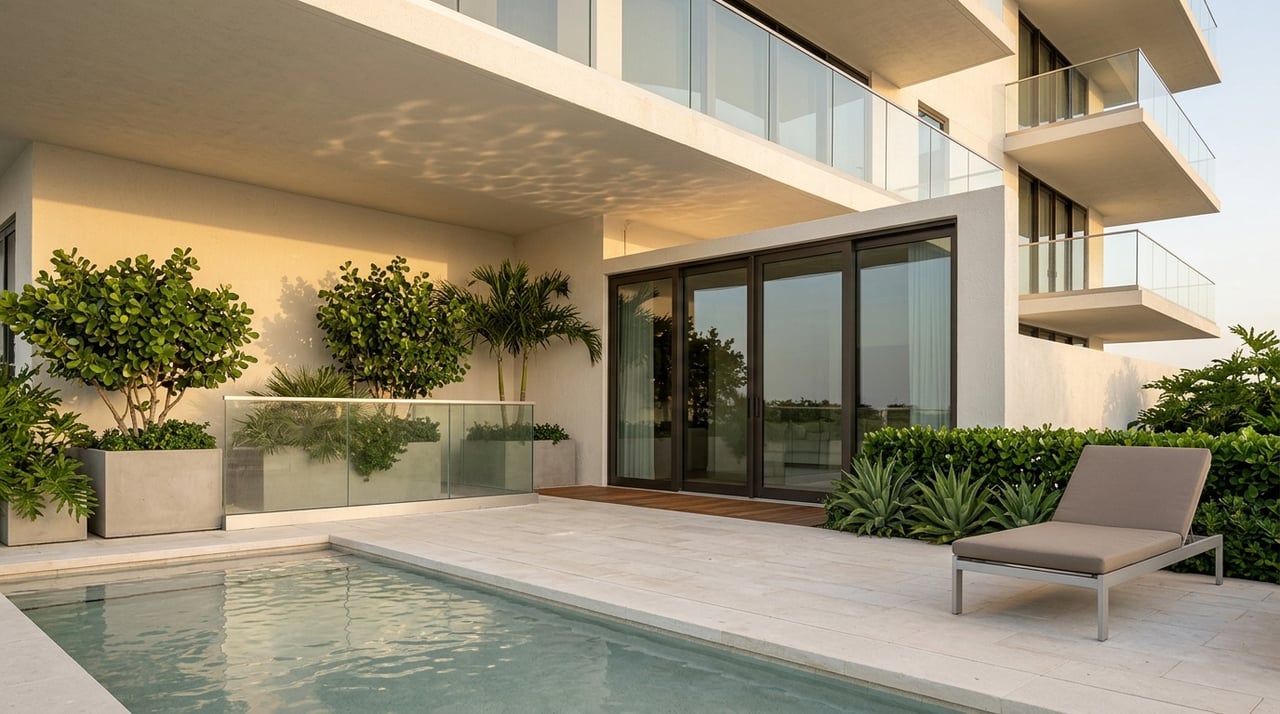
If your ideal day starts with a walk to the sand, an oceanfront condo may be the stronger fit. In Lauderdale-by-the-Sea, this option usually appeals to buyers who want direct beach access, open Atlantic views, and a more lock-and-leave style of ownership.
Another major advantage is lower personal maintenance. Compared with a detached home, a condo often means less day-to-day responsibility for exterior upkeep. That can be especially appealing if you split time between South Florida and another home, or if you simply want a more streamlined ownership experience.
Many buyers also like the shared amenities often associated with condo living. While features vary by building, oceanfront condos in this area are commonly marketed around beach access, expansive views, and amenity-driven living. The bigger point is that condo ownership often centers on convenience and a beach-oriented routine.
What Condo Buyers Should Weigh
The trade-off is that you are also buying into the association’s financial condition and governance. Under Florida condominium law, qualifying condo buildings that are three habitable stories or higher must complete a structural integrity reserve study at least every 10 years. For budgets adopted on or after December 31, 2024, owners also may not vote to underfund required reserves for listed structural items.
That matters because your ownership costs are not just about the unit. They are also about reserve funding, future capital projects, and how the building plans for major repairs over time. The state’s framework is designed to make sure funds are set aside for structural replacement and repair, which makes document review especially important before you move forward.
There is another local nuance worth knowing. In Lauderdale-by-the-Sea, some properties may be marketed in ways that blur the line between a standard condo, a co-op, and a house-like residence. That is why the recorded ownership structure, association documents, and maintenance responsibilities should always be reviewed carefully.
Intracoastal Home Benefits
If boating is central to your lifestyle, an Intracoastal home may feel like the more natural choice. On the west side of town, the Intracoastal Waterway forms Lauderdale-by-the-Sea’s boundary, and the town notes that it provides ocean access to recreational boaters through Port Everglades and Hillsboro Inlet on its Town Facts page.
This is typically the stronger fit for buyers who want dock access, more privacy, and greater control over the property itself. A single-family waterfront home often gives you more freedom with outdoor space, guest access, and future improvements. If you picture your waterfront life around a dock, a lift, or regular time on the boat, the Intracoastal side usually aligns better with that vision.
The ownership experience also tends to feel more independent. Rather than relying on a building association to manage structural reserves and shared systems, you generally oversee the property more directly. For many buyers, that control is a major advantage.
What Intracoastal Buyers Should Weigh
The trade-off is that more control usually comes with more owner-managed upkeep. A detached waterfront home often means more direct responsibility for the property, inside and out. That can include items related to docks, seawalls, exterior systems, and general maintenance planning.
You should also think carefully about how you will use the waterfront features. For example, if a property includes dockage, it is important to confirm whether that dockage is deeded, shared, or subject to any restrictions. In a small waterfront market like Lauderdale-by-the-Sea, those details can have a real impact on day-to-day use.
Lifestyle Questions To Ask Yourself
When buyers compare these two options, the best answer usually comes down to how they want their week to feel.
An oceanfront condo may be the better fit if you want:
- Direct beach access
- Open Atlantic views
- A more convenient, lower-maintenance setup
- Building amenities and shared services
- A part-time or seasonal ownership style
An Intracoastal home may be the better fit if you want:
- Boating access to be part of daily life
- Dock-focused waterfront living
- More privacy
- More control over the property
- A more traditional single-family ownership experience
In simple terms, oceanfront condos are often better for a beach-first lifestyle, while Intracoastal homes are often better for a boating-first lifestyle. In Lauderdale-by-the-Sea, that distinction is especially clear because of the town’s geography and small scale.
Parking And Access Matter More Here
In many coastal towns, parking is an afterthought. In Lauderdale-by-the-Sea, it deserves a spot on your checklist. The town enforces parking 24 hours a day and manages 820 public spaces across 28 locations, with resident and employee permit systems and some overnight restrictions, according to the town’s Parking Meters page.
The town also offers Circuit-By-The-Sea, which currently serves trips within Lauderdale-by-the-Sea, Galt Ocean Mile, and Coral Ridge Mall for $2 per ride. For some owners, that makes it easier to live a little lighter on the car. For others, especially if you host guests often, private driveway or garage space may carry more value than expected.
Flood And Insurance Due Diligence
No matter which property type you prefer, flood review should be part of your early due diligence. Broward County’s flood maps were updated effective July 31, 2024, and the county notes that Zone VE applies to coastal areas with additional hazards associated with storm waves.
The county also encourages property owners and renters to consider flood insurance even when it is not mandatory. Flood risk can vary by parcel, so you should confirm the exact property’s flood zone and elevation rather than making assumptions based on the address, street, or whether the home is oceanfront or Intracoastal.
This is especially important in Lauderdale-by-the-Sea because it is a low barrier island with an elevation of about 7 feet above sea level, according to the town’s facts page. In coastal buying, broad assumptions are not enough. Property-specific verification matters.
Smart Questions Before You Make An Offer
Whether you are leaning toward a condo or a house, a careful review upfront can help you avoid surprises later.
Here are some of the most practical questions to ask during the offer period:
- What is the exact flood zone for the parcel?
- What do current insurance quotes look like?
- If there is dockage, is it deeded, shared, or limited in any way?
- If it is a condo or co-op, what do the budget and reserve funding show?
- Has the association completed the required structural integrity reserve study, if applicable?
- Are there pending capital projects or a history of special assessments?
- What do meeting minutes reveal about upcoming building concerns or expenses?
For condo and co-op purchases, Florida’s Division of Condominiums, Timeshares, and Mobile Homes provides information related to inspections and SIRS-related complaints. That makes association review just as important as the unit itself.
Which Option Usually Wins?
There is no one-size-fits-all winner in Lauderdale-by-the-Sea. The right choice depends on whether you want your waterfront experience to revolve around the beach or the dock, and whether you prefer shared-building convenience or more independent property control.
If you want the most direct path to the sand, broad ocean views, and a more streamlined ownership model, an oceanfront condo often makes sense. If you want boating access, private outdoor space, and a more hands-on home base, an Intracoastal single-family home usually comes out ahead.
The most important part is matching the property type to your real lifestyle, not just the listing photos. If you want help comparing waterfront options in Lauderdale-by-the-Sea with a clear, design-aware, and practical lens, Amie Balchunas offers white-glove guidance tailored to how you actually want to live.
FAQs
What is the main difference between an oceanfront condo and an Intracoastal home in Lauderdale-by-the-Sea?
- An oceanfront condo is usually better for direct beach access, ocean views, and lower personal maintenance, while an Intracoastal home is usually better for boating access, privacy, and greater property control.
What should condo buyers review before buying in Lauderdale-by-the-Sea?
- You should review the association budget, reserve funding, structural integrity reserve study status, meeting minutes, and any history of special assessments.
What should waterfront home buyers verify about dock access in Lauderdale-by-the-Sea?
- You should confirm whether dockage is deeded or shared, along with any limits that may affect how you use the dock or boat access.
Why does flood zone research matter for Lauderdale-by-the-Sea waterfront properties?
- Flood zone and elevation can vary by parcel, and Broward County notes that some coastal areas fall within Zone VE, which includes added storm-wave hazards.
How does parking affect waterfront ownership in Lauderdale-by-the-Sea?
- The town manages parking closely, so guest logistics, private driveway space, garage access, and permit rules can all affect how convenient a property feels for everyday living and entertaining.