Thinking about turning a Pompano Beach property into a seasonal rental but unsure where to start? You are not alone. Between permits, taxes and HOA rules, it can feel complex fast. In this guide, you will learn the core definitions, the approvals you need, what actually rents in Pompano, and how to model your numbers with seasonal swings in mind. Let’s dive in.
Pompano rental definitions you need
Understanding how the city and state define your rental is step one. It shapes your licensing and tax requirements.
City definition and permit
Pompano Beach treats a short-term rental as any dwelling rented for six months or less in a calendar year. Operating within city limits typically requires an annual short-term rental permit with an inspection and specific operating standards. You can review the city’s program and definitions on the official short-term rentals page from the City of Pompano Beach. You should also confirm address-level eligibility and any local zoning considerations before you buy or advertise your unit. Learn more on the city’s short-term rentals page at the City of Pompano Beach website: Short Term Rentals overview.
State DBPR licensing
Florida’s Division of Hotels and Restaurants regulates whole-unit, transient vacation rentals as “vacation rentals.” If your property meets the state’s transient rental thresholds, a Transient Public Lodging Establishment license is required. The state license is separate from your city and county requirements. See the state’s guide for license classes, fees and renewals: DBPR vacation rental guide.
How the six-month line affects taxes
Stays of six months or less are generally treated as transient for tax purposes in Florida. That means transient rental and related sales taxes may apply, while longer leases are often handled differently. Review Florida’s sales and use tax rules in Chapter 212 to understand the statutory framework: Florida Statutes, Chapter 212.
Seasonal demand patterns in Pompano
Pompano Beach is a classic snowbird market with pronounced seasonality. Winter and spring bring the highest occupancy and stronger nightly rates for well-located listings, while summer and hurricane-season months tend to be softer and more price-sensitive. Industry trend reporting highlights how demand and average daily rates can shift year to year, so you should underwrite with recent comps for your exact submarket. For market context, see this discussion of South Florida STR trends on AirDNA’s STR Data Lab: market demand commentary.
Pompano’s draw is clear. Easy beach access, the pier and marina scene, fishing and diving, and proximity to Fort Lauderdale’s airport and entertainment cluster all pull guests to this coastal corridor instead of inland Broward. Units closest to the ocean, pier or Intracoastal usually command higher rates and book faster, though they can come with higher acquisition and insurance costs. Always confirm property eligibility for short-term use with the city before making an offer.
Property types that rent well
Some properties consistently align with seasonal guest needs in Pompano Beach.
Near-beach condos
One and two-bedroom condominiums near the beach are popular with couples and snowbirds who want walkability and simple ownership. You can scan the city’s permitted rental list to get a feel for product types that operate today: permitted property list.
Single-family homes with parking or boat access
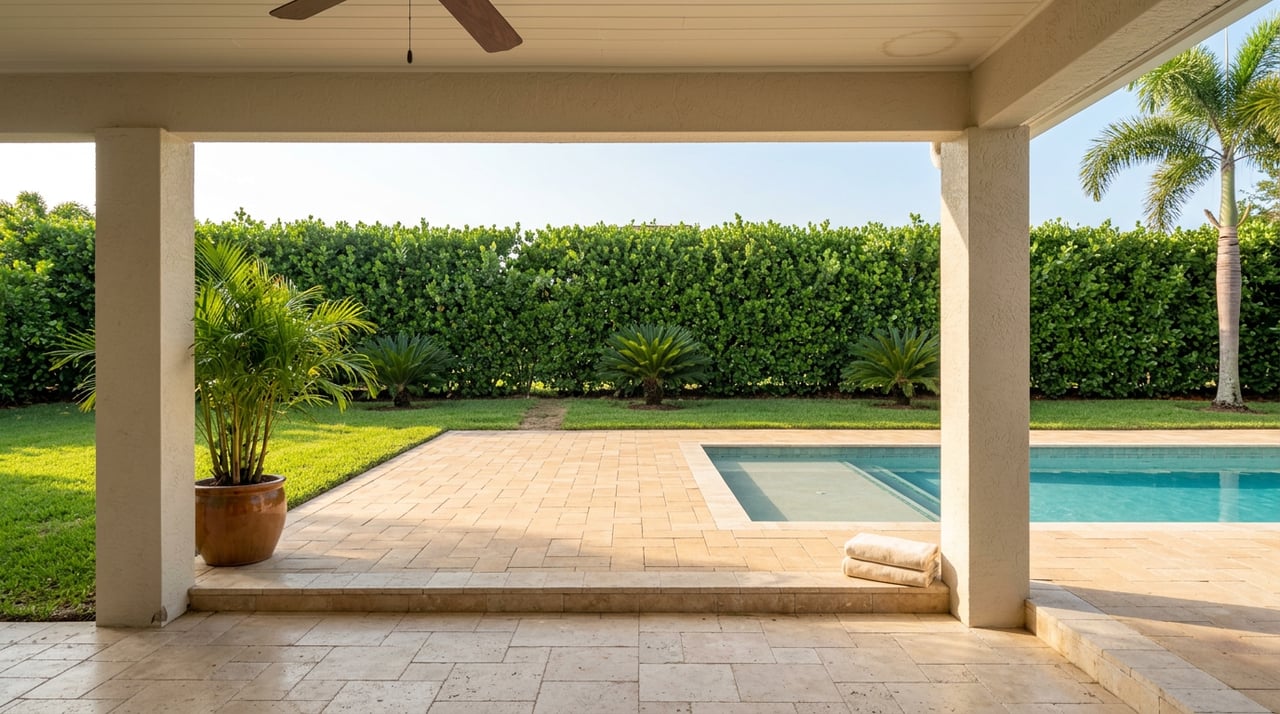
Larger groups look for homes with off-street parking, private outdoor space and, where allowed, boat access. These features often lift both booking velocity and rates when paired with a location near the ocean amenities.
Amenities that matter
- Reliable high-speed Wi‑Fi and strong air conditioning
- Covered or off-street parking and in-unit laundry
- Updated kitchens and a simple starter set of beach gear
- Clear, friendly house rules about quiet hours, parking and trash
The last point is not just guest-friendly. Transparent communications help reduce complaint-driven enforcement risk under local codes. Review the city’s operations guidance for best practices: Pompano Beach short-term rentals.
Licenses and permits checklist
Pompano’s compliance stack flows from state to county to city. Plan your timeline accordingly.
State license
If your listing meets the transient rental thresholds, apply for a Florida DBPR Transient Public Lodging Establishment license. Review the state’s process and license classes here: DBPR vacation rental guide.
Broward County registration and bed tax
Broward County collects a 6 percent Tourist Development Tax on stays of six months or less. You will also need a local business tax receipt and to register for tax remittance. Check the county’s guidance: Broward Tourist Development Tax.
City permit and inspection
Pompano Beach requires an annual short-term rental permit for eligible properties. The city inspects the unit and can deny or revoke permits for false statements or recurring violations like noise, trash and parking. The application checklist outlines documentation, including evidence of state and county registrations, a 24/7 local contact, a trash and parking plan, and required safety devices. Review the city’s application steps here: Pompano Beach application checklist.
Operating standards to follow
- Keep proof of state and county registrations on file
- Post and enforce house rules for quiet hours, parking and trash pick-up
- Maintain required safety devices and allow scheduled inspections
- Provide a local contact who can respond to issues at any hour
Compliance is not just paperwork. It is the foundation for long-term, neighborhood-friendly operations.
Taxes to model in your pricing
Your tax stack for short stays in Pompano Beach typically includes:
- Florida transient rental tax. See the governing rules in Florida Statutes, Chapter 212.
- Broward County Tourist Development Tax at 6 percent. Details at Broward County TDT.
- Local discretionary sales surtax layered onto Florida’s 6 percent sales tax. In practice, many owners model roughly 13 percent combined on the taxable rental base, then confirm final filings and any platform remittance coverage before setting rates.
Some marketplaces collect and remit certain taxes in some jurisdictions. Unless a platform explicitly assumes the obligation for your property and municipality, you are still responsible for correct registration and remittance. Keep registrations and returns organized.
Condo and HOA rules to vet before you buy
Association rules can make or break your plan. Read the documents before you write an offer.
Condominium statute protections
Florida condominium law limits the retroactive effect of new rental restrictions. An amendment that prohibits rentals or changes minimum lease terms generally applies only to owners who consent or to buyers who take title after the amendment date. See the high-level rule in FS 718.110.
HOA statute differences
Florida HOA law has a similar baseline for post-2021 amendments but with an important carve-out. An HOA may adopt rules that prohibit rental agreements for terms under six months or limit rentals to three times per year, and those can apply to all owners. Review the language in FS 720.306.
Due diligence basics
- Request the recorded Declaration, Bylaws and any rental amendments
- Confirm any minimum lease term, total rental caps or approval rules
- Ask for the current percentage of rented units and any rental fees
- Check for unresolved city or county building or safety violations
- Review master insurance for wind and flood coverage and deductibles
If an association has limited wind coverage or high deductibles, your own insurance and reserves may need to be higher.
Budget and underwriting tips
Your numbers should reflect Pompano’s seasonality and risk profile.
Revenue assumptions
Use current, address-level comps for both winter season and off-season pricing. Industry data show ADR and occupancy vary by platform, listing quality and professional operations. Build at least two cases: a winter ADR scenario and a blended annual scenario that bakes in softer summer months. For context on market variability, see AirDNA’s commentary: STR demand and ADR trends.
Expense lines to budget
- Property management, often 10 to 30 percent for full-service operators
- Turnover cleaning, utilities and platform commissions
- Routine maintenance, HOA assessments and supplies
- Vacancy and a dedicated reserve for hurricane season
- Insurance for wind, flood and short-term rental liability endorsements
Taxes and compliance cost
Model the state transient tax plus the 6 percent Broward TDT and the county surtax into your nightly rate or net projections. Add your state, county and city registrations, annual permit fees and time for filings.
Insurance and risk reserves
South Florida insurance has been rising, especially for wind and flood. Condos can also face special assessments. Build a larger reserve for potential storm repairs and temporary closures during hurricane season.
Launch checklist for new hosts
- Confirm address eligibility for short-term use with the City of Pompano Beach
- Read any condo or HOA rental rules and recorded amendments
- Underwrite with current winter and off-season comps
- Price with taxes, cleaning and management included in your model
- Apply for state DBPR licensing if thresholds apply
- Register with Broward County for TDT and business tax receipts
- Complete the city’s short-term rental permit and inspection
- Prepare the unit with guest-ready essentials and clear house rules
- Set up bookkeeping for tax filings and maintenance reserves
Design and guest experience tips
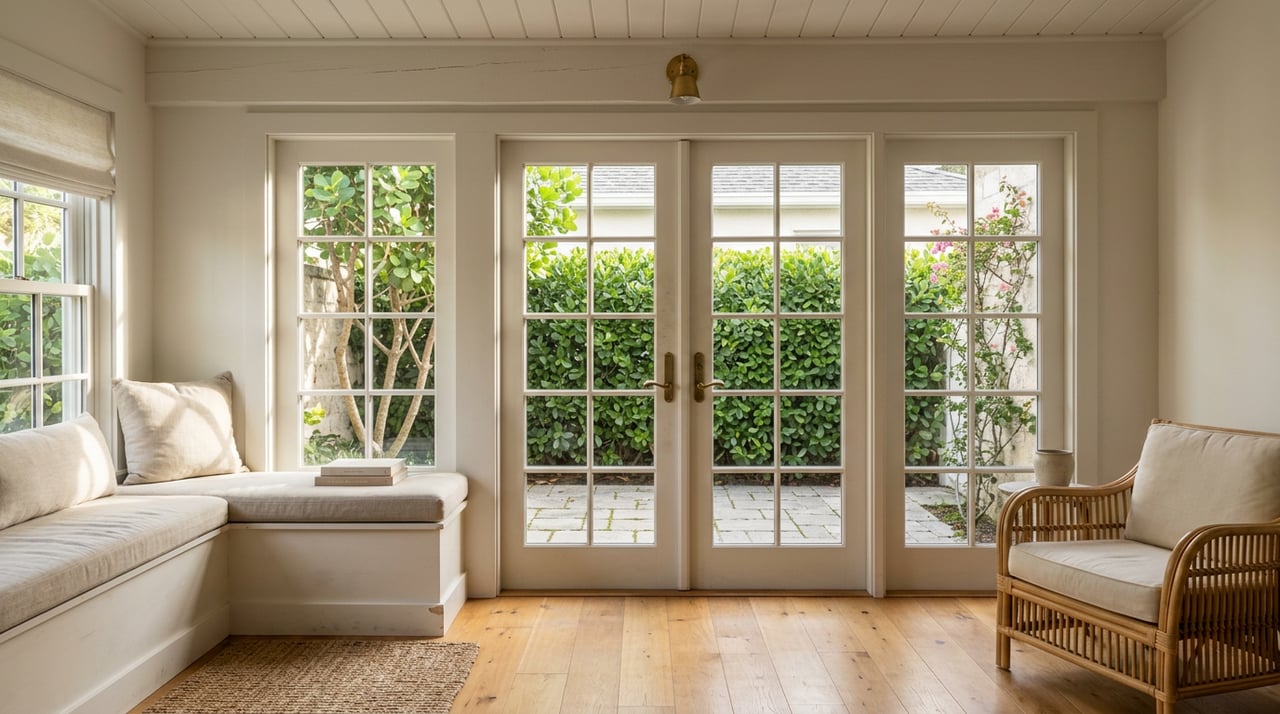
Your presentation drives your ADR. Focus on a bright, airy look that photographs well, uncluttered surfaces and durable, comfortable furnishings. Stock beach basics and communicate simple rules and local tips with a warm welcome guide. These touches support great reviews and reduce friction with neighbors.
Work with a local expert
If you want a clear path from purchase to first booking, partner with a local, design-forward advisor who understands the coastal corridor. We help buyers evaluate buildings and locations for rental potential, model realistic returns and prepare properties to present beautifully to seasonal guests. For a personalized plan and neighborhood-specific insight, connect with Amie Balchunas. Schedule a free consultation and move forward with confidence.
FAQs
Are seasonal rentals allowed in Pompano Beach?
- Yes. Pompano Beach allows short-term rentals if you hold the required city short-term rental permit and complete state and county registrations. The city inspects and enforces standards. See the city program: Short Term Rentals overview.
What taxes apply to Pompano Beach short stays?
- Budget for Florida transient rental tax under Chapter 212, Broward County’s 6 percent Tourist Development Tax and the local surtax that often brings the combined tax load to roughly 13 percent on the taxable base. Verify current rates and filing rules. See Florida Chapter 212 and Broward TDT.
Do I need a Florida state license for my Pompano rental?
- If your unit meets the transient vacation rental thresholds, you will need a DBPR Transient Public Lodging Establishment license, separate from city and county steps. Review the DBPR vacation rental guide.
Can a condo or HOA block short-term rentals after I buy?
- Condos have statutory grandfathering protections under FS 718.110 for owners who held title before a rental-restriction amendment. HOAs under FS 720.306 can adopt rules that prohibit rentals under six months or limit rentals to three times per year that may apply to all owners, so read recorded CC&Rs before you buy.
What property types earn the best seasonal rates?
- In Pompano Beach, near-beach condos and well-located single-family homes with parking or boat access tend to perform well for winter snowbird demand. Proximity to the ocean, pier and marina often lifts rates and booking speed.