Thinking about trading your Coral Springs starter home for more space, a pool, or that dream kitchen, but worried about juggling two closings? You are not alone. Move-up plans come with questions about timing, financing, and how to sell for top dollar without risking your next purchase. In this guide, you will get a clear roadmap tailored to Coral Springs so you can choose the right sequence, line up financing, and coordinate both deals with confidence. Let’s dive in.
Coral Springs market snapshot
Third-party trackers show Coral Springs home values commonly in the 500,000 to 650,000 dollar range, depending on the data source and property type. The exact market condition can shift by neighborhood and price band, so check current comps before you set pricing or write offers. Recent reports show Southeast Florida single-family sales picked up as mortgage rates eased in late 2025 and early 2026, which can bring more competition for well-presented homes. You can see that trend in regional association reporting on sales activity.
Plan for contract-to-close timelines of about 30 to 45 days for financed buyers. Also budget for local carrying costs. Property taxes in Broward often run around 1.1 to 1.4 percent of assessed value for planning purposes, though exact millage and exemptions vary. You can confirm millage and homestead details with county resources and data tools like ATTOM’s Broward County overview.
Choose your move-up path
Sell first
- What it is: You list, accept an offer, close, then buy your next home with proceeds in hand.
- Pros: Clear proceeds and simpler underwriting. You can write a stronger, non-contingent offer.
- Cons: You may need short-term housing while you shop. You could miss a desirable listing if inventory is thin.
- Local note: In balanced segments, sellers may accept more flexible timelines. In tighter Coral Springs pockets, buyers often prefer non-contingent offers.
Buy first
- What it is: You secure financing and close on the new home before selling your current one.
- Pros: You avoid rushing a sale and can target the exact home or school zone you want.
- Cons: You may carry two mortgages, which raises monthly costs and requires stronger reserves.
- Financing: Bridge loans or qualifying for two loans at once are common tools. Learn the basics in this bridge loan overview.
Contingent offer
- What it is: Your purchase is contingent on selling your current home, often with a timeline and a kick-out clause.
- How it works: Sellers often keep marketing the home and may give you 48 to 72 hours to remove your contingency if a better offer appears.
- How to compete: Offer a strong price, higher earnest money, tight timelines, and proof your current home is already under contract.
Bridge solutions and buy-before-sell programs
- Mechanics: Short-term financing taps your current equity for the next down payment. You repay it when your home sells.
- Pros: Lets you write non-contingent offers in competitive segments.
- Cons: Higher rates and fees than permanent loans, plus the risk of carrying costs if your home takes longer to sell.
- Local tip: Useful when a specific floor plan, yard, or zone rarely comes up.
Sale-leaseback or post-closing occupancy
- What it is: You close on the sale, then rent back your home for 30 to 90 days while you finalize your purchase.
- Caveat: The agreement should cover rent, insurance, and liability. Work with your agent and closing team to use a proper occupancy addendum. See a Florida example of how this can work in practice in this post-closing occupancy discussion.
Finance your next home
Rates and affordability
Mortgage rates in early March 2026 hovered near the low 6 percent range on average. That is a shift from the ultra-low rates of 2020 and 2021, so be ready for a higher payment on a larger balance. Track current averages with national releases like this rates update, and get live quotes from your lender before you list or offer.
Conforming vs jumbo in Broward
The 2026 national baseline conforming loan limit is 832,750 dollars. Purchases above that threshold often need jumbo financing with different down payment and underwriting standards. Review the latest limits at the FHFA announcement.
Use your equity wisely
- Cash-out refinance: Replaces your current mortgage with a larger one to pull cash for the next purchase. This resets the rate on your full balance, so compare costs.
- HELOC: A revolving line you can draw for a down payment or closing costs. National averages were in the low 7 percent range in early 2026. Learn how lenders price HELOCs and what to compare in this HELOC rates guide.
- Bridge loan: A short-term loan against your current home to cover the next down payment until your sale closes. See how it works in this bridge loan explainer.
No matter which path you choose, get a lender pre-approval that matches your plan. If you may carry two mortgages, expect tighter debt-to-income reviews and reserve requirements.
Budget for taxes and closing costs
- Property taxes: Use 1.1 to 1.4 percent of assessed value as a planning estimate, then confirm exact millage and exemptions. Start with Broward County data context.
- Seller costs: Many Florida sellers model 6 to 8 percent of the sale price to cover commissions and typical seller-side closing items. For a breakdown and planning guidance, review this Florida selling cost study.
- Florida-specific items: Documentary stamps, prorated taxes, potential owner’s title policy, and HOA estoppel fees where applicable.
Coordinate your timeline
Florida contracts commonly use calendar days, and many forms make timing a material term. Always confirm your specific deadlines in the signed contract and addenda. You can review standard timing mechanics in the Florida Realtors/Bar contract manual.
Sell first: sample timeline
- Weeks −6 to −2: Hire your listing broker, complete a pre-listing walkthrough, order photography, and make simple design-led updates. Prep often takes 2 to 4 weeks.
- Week 0: Go live on the market.
- Weeks 0 to 4: Showings and negotiation. Days on market vary by price band and condition.
- After contract: Plan 30 to 45 days to close for financed buyers. During this time, you can shop and write your next offer with proceeds in mind.
Buy first or bridge: sample path
- Weeks −3 to −1: Secure full pre-approval and confirm bridge product availability, costs, and reserves.
- Week 0: Write and win your purchase offer. Schedule inspections and appraisal quickly.
- Weeks 0 to 4: While you work through underwriting, prepare and list your current home to reduce your bridge carry time.
- Month 1 to 3: Close on the new home. Use a short bridge term or reserves while your current home sells, then repay the bridge with sale proceeds.
Contingent offer mechanics
- Structure: Ask your agent to write a clear sale contingency with dates and milestones, and expect a kick-out clause of 48 to 72 hours.
- Tip: Present your current home’s listing or executed sale contract with timelines and a strong earnest deposit.
- Sample script: “We are under contract to sell our Coral Springs home with inspections complete and a closing date of May 30. We are prepared to remove our sale contingency within 72 hours if needed.”
Common delays to avoid
- Appraisal shortfalls that require renegotiation or added cash.
- Title defects or cure periods that push closing.
- HOA estoppel letters that take extra time to issue.
- Open or unpermitted improvements flagged during inspection.
- Lender documentation or verification delays. Keep your credit stable and respond fast to conditions.
Time around the school calendar
Many Broward households prefer to move between school years. For reference, the 2025–26 Broward County Public Schools year began August 11, 2025 and ends in early June 2026. Check the current schedule before you plan your target closing window. See an announcement example here: BCPS 2025–26 calendar highlight.
Make your listing shine to fund the move-up
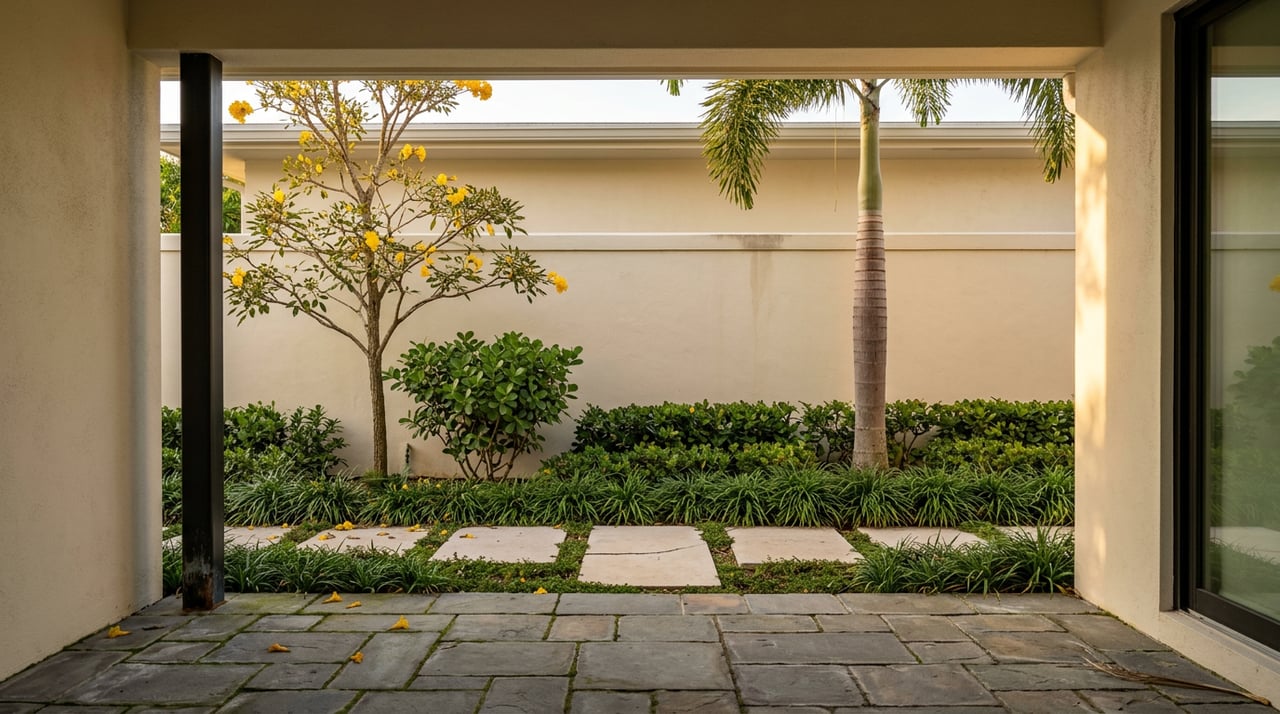
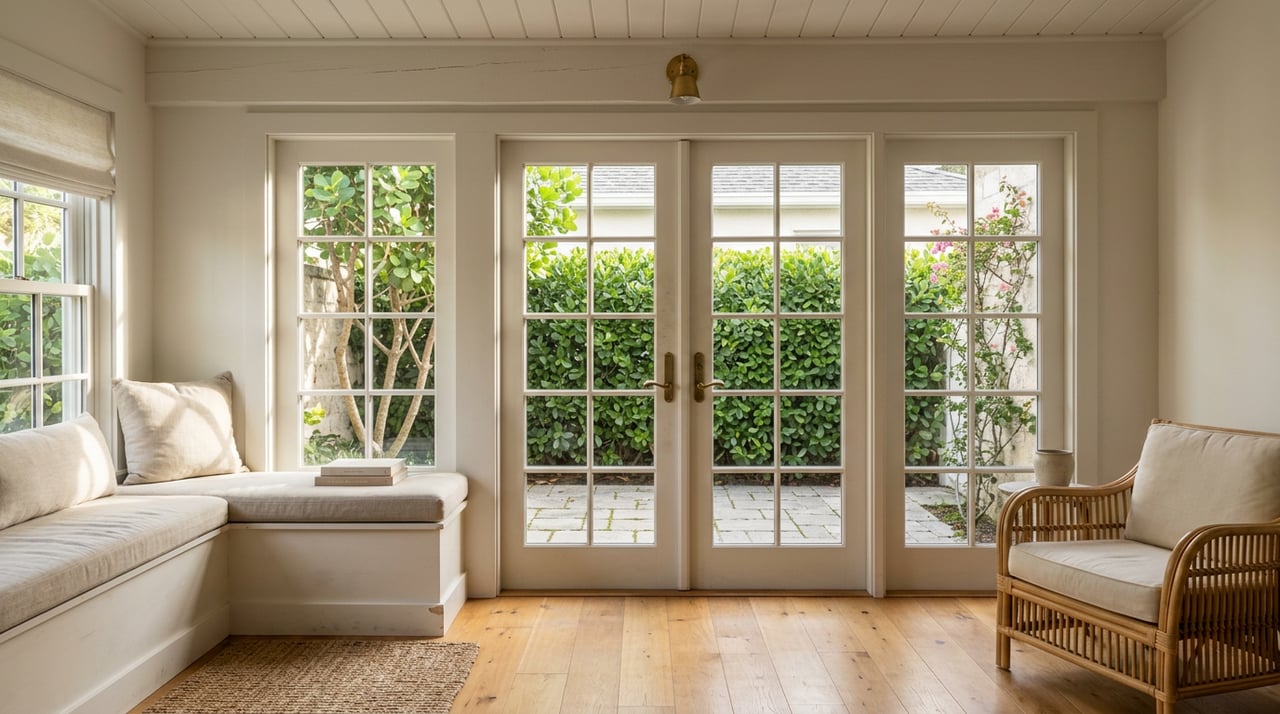
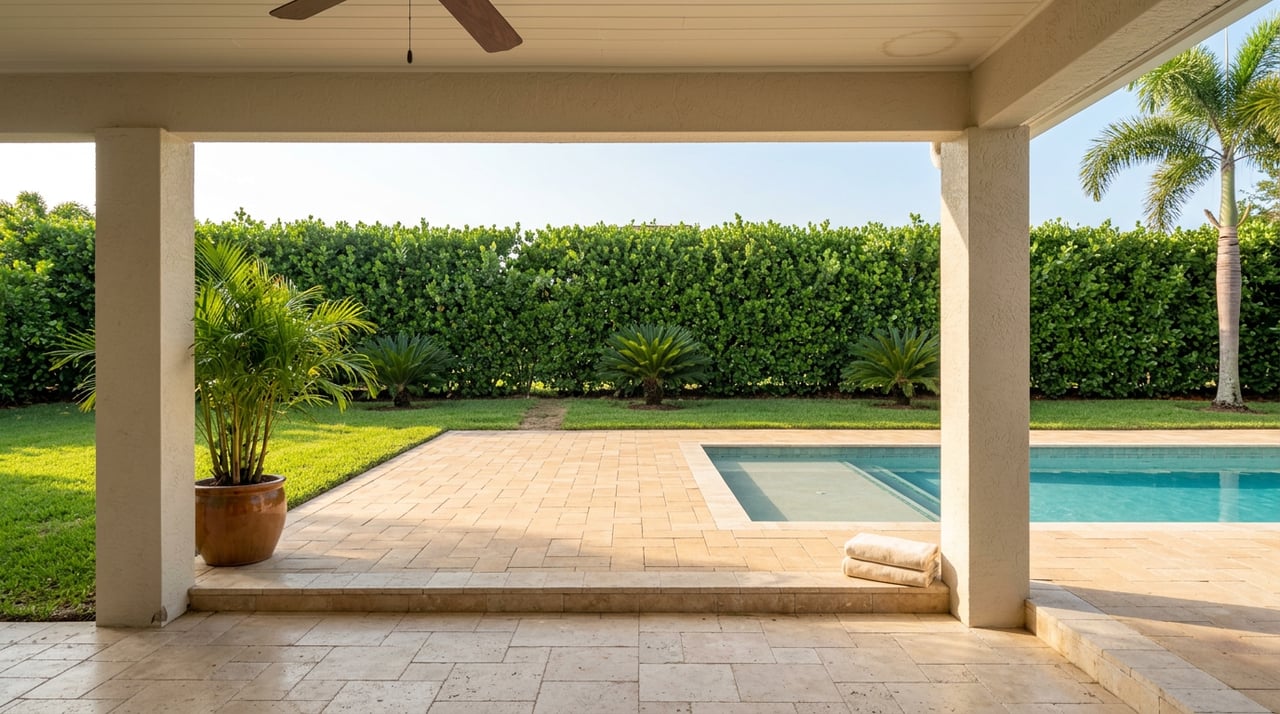
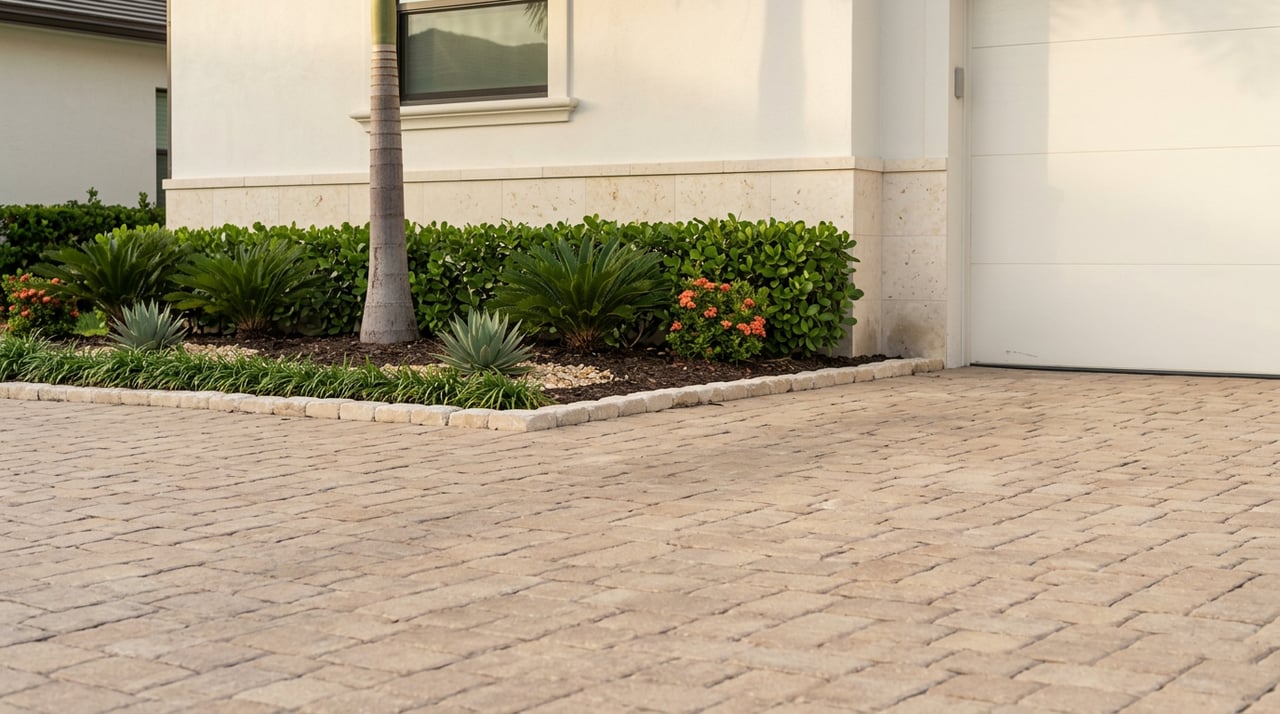
Your sale sets the stage for your next purchase, so presentation matters. A design-forward prep plan can improve photos, drive showings, and support a stronger price band. Focus on light, neutral styling, fresh landscaping, minor repairs, and purpose-led staging that helps buyers picture daily life.
Price positioning should reflect recent neighborhood comparables and condition. Align your launch date with buyer activity patterns and have your pre-inspection and disclosure package ready so you can negotiate clean terms and a timeline that supports your next purchase.
How a broker-level advisor helps
A seasoned local broker coordinates pricing, staging, and timing on the sale side while guiding strategy on the buy side. They can help you compare sell-first, buy-first, and bridge options based on your equity, reserves, and target neighborhoods. They also connect you with lenders and title companies who know Broward workflows.
Questions to ask your broker:
- Can you prepare a detailed net sheet so I can model proceeds after commissions and typical Florida closing items?
- Based on current comps, which Coral Springs neighborhoods fit my target price band and must-have features?
- If I buy before I sell, which local lenders offer bridge solutions right now and what are their current costs?
- What prep and staging do you recommend, how long will it take, and what return can I expect?
Ready to plan your Coral Springs move-up with less stress and more certainty? Connect with Amie Balchunas for a design-led, broker-level strategy that sequences your sale and purchase smoothly. Schedule a free consultation.
FAQs
Should I buy before I sell in Coral Springs?
- It depends on your equity, reserves, and how tight your target submarket is. Buying first can secure a rare home but increases carrying cost risk. Selling first gives you certainty on proceeds.
What is a bridge loan and how long does it last?
- A bridge loan is short-term financing that uses your current home’s equity to fund the next down payment. Terms are often a few months up to a year, with higher rates and fees than permanent loans.
How long does it take to close a Florida purchase with financing?
- Plan for about 30 to 45 days from contract acceptance to closing. Cash deals can move faster, but always confirm timelines in your contract.
How much will it cost to sell my Coral Springs home?
- Many Florida sellers plan for 6 to 8 percent of the sale price to cover commissions and typical seller-side closing items, plus doc stamps and prorations. Ask your agent for a custom net sheet.
How should I estimate property taxes on my new Broward home?
- A planning range of 1.1 to 1.4 percent of assessed value is common, but exact millage and exemptions vary. Verify with the county and factor homestead rules into your budget.